Invested in Newark
YouthBuild and PGIM: A Partnership Built on Exposure, Preparation, and Pathways Forward

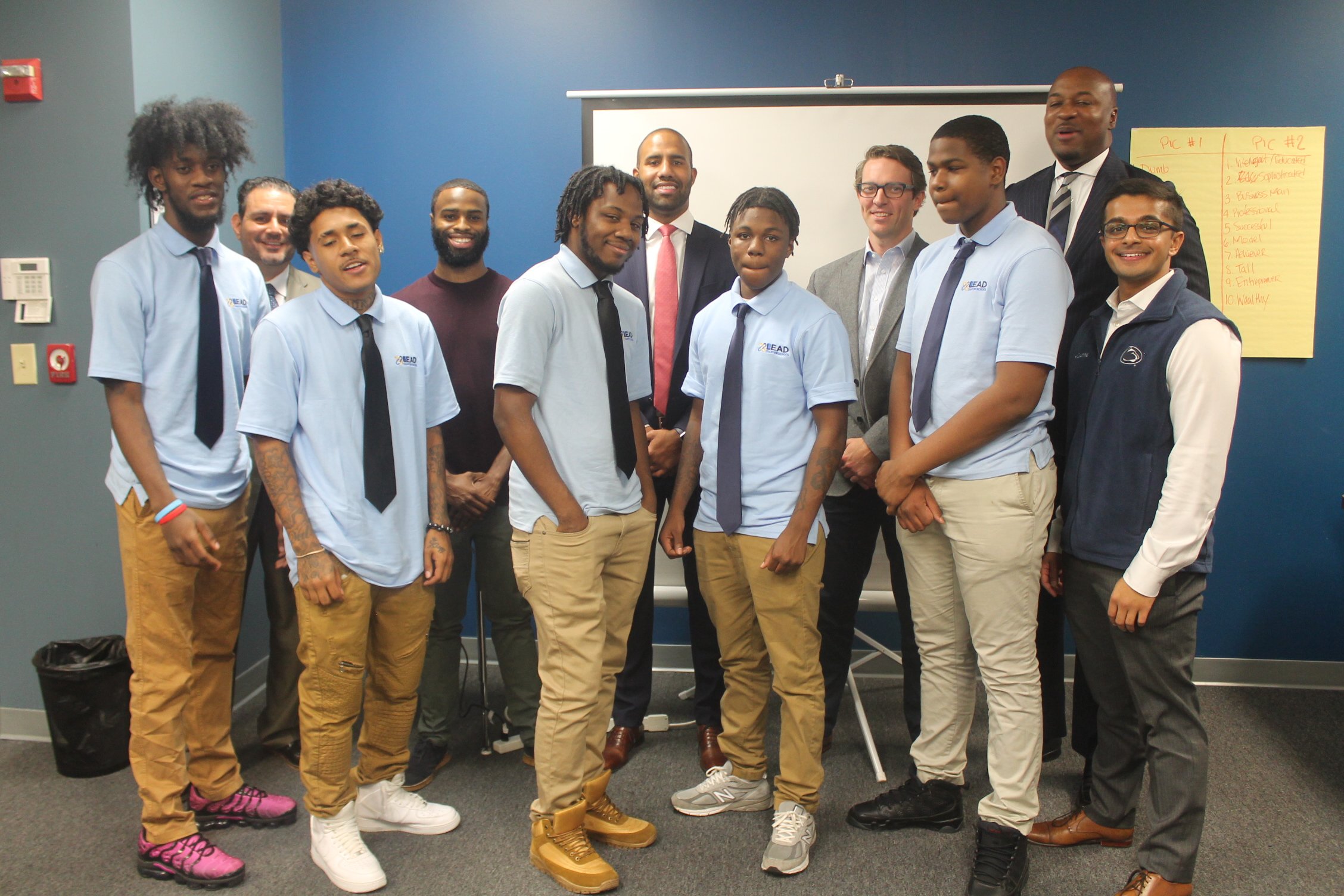
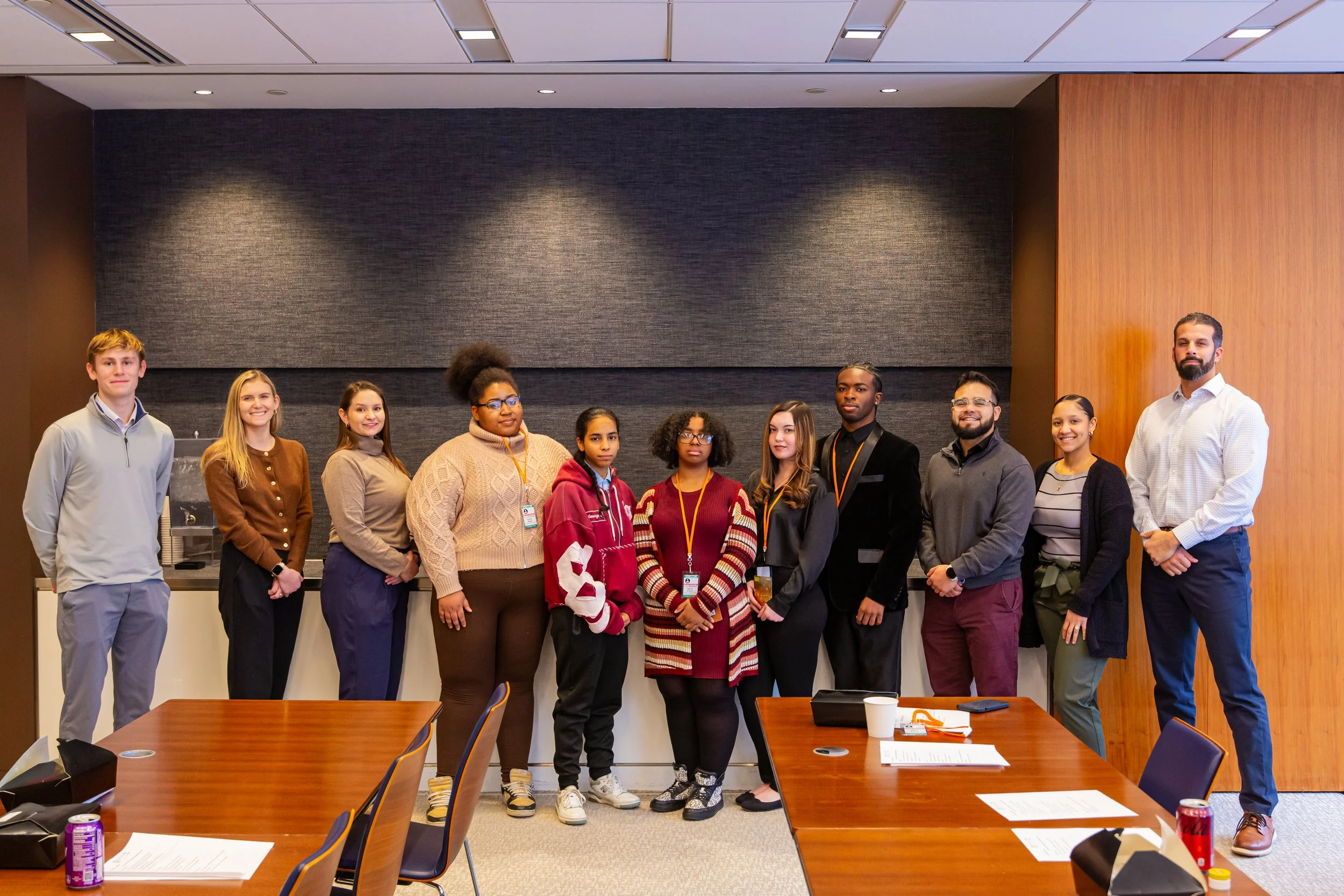
For more than two decades, students at YouthBuild Newark (YBN) and LEAD Charter School have been learning how to walk into a room and own it.
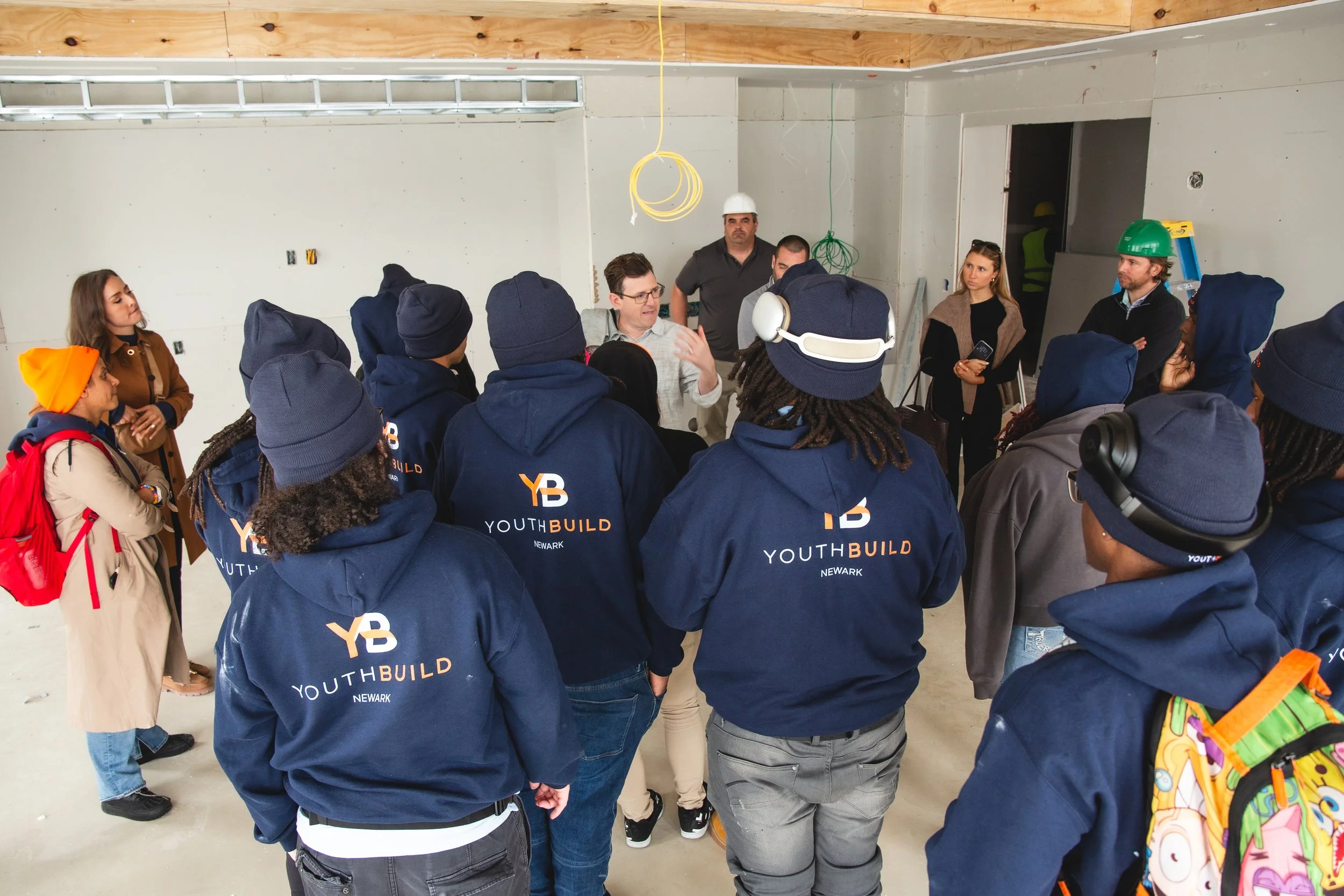
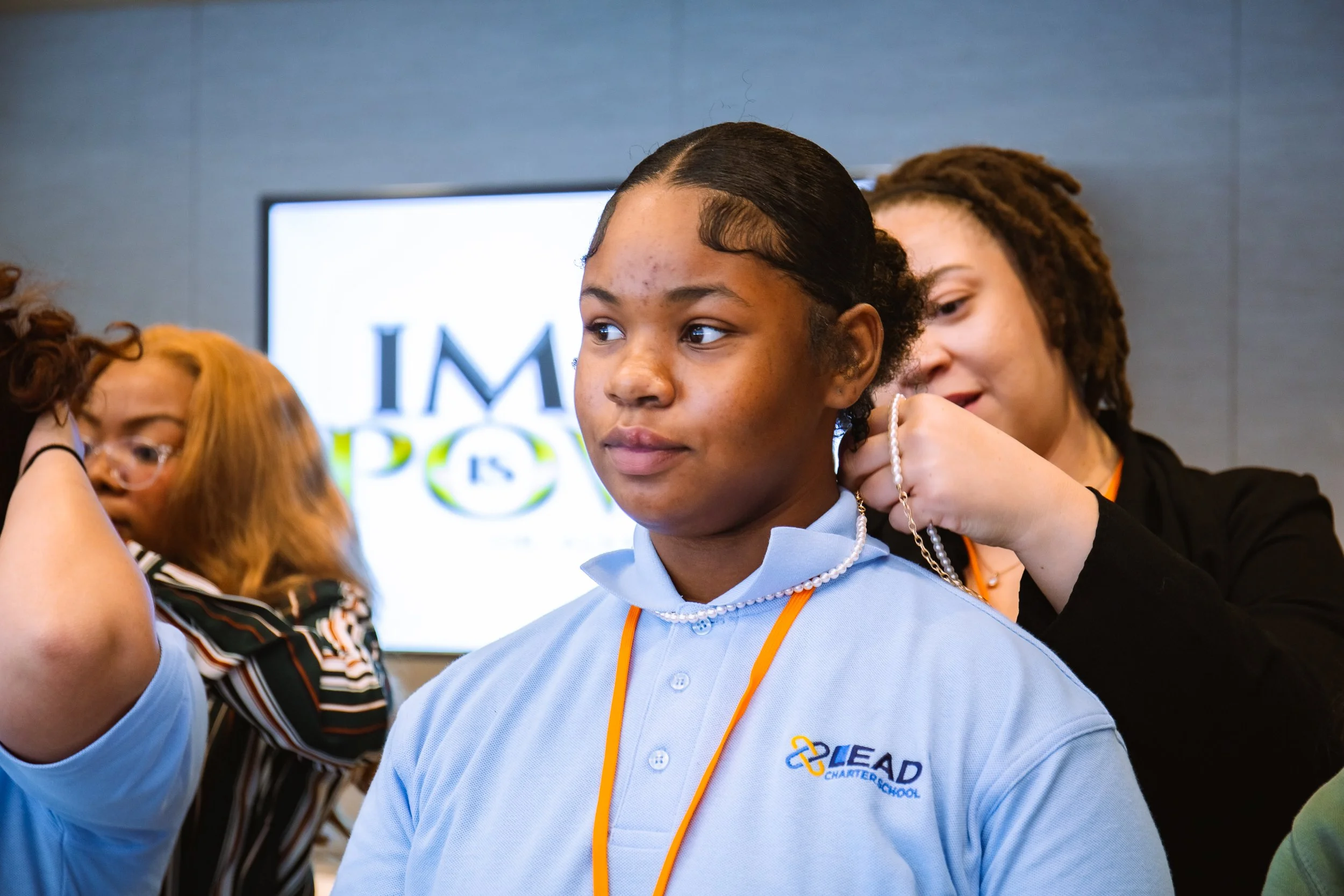
A pearl and tie ceremony. A construction site visit followed by a mock investment competition guided by experienced investors. Practicing how to interview for jobs by polishing how they present themselves. A success closet stocked with professional clothing.
The people of PGIM, the asset management arm of Prudential Financial, have been showing young people what the post-secondary skills they’re learning about look like in practice.
Research from the Aspen Institute’s Opportunity Youth Forum shows that reconnecting a single young person to school or work saves at least $37,000 in annual costs to taxpayers and social capital. In 2024, that added up to $1.2 billion in savings across the Forum’s communities in a single year. LEAD’s partnership with PGIM is a tangible example of how young people can learn to go out into the world and find their own success.
How the Partnership Began
PGIM has been rooted in Newark since Prudential was founded here in 1875, and its commitment to the city’s young people runs just as deep. Through its parent company, PGIM has collaborated with YouthBuild Global for more than two decades as part of Prudential’s $180 million Global Opportunity Youth commitment, the largest private-sector investment in opportunity youth ever made. “Businesses like ours have a role to play in ensuring that global economic progress benefits all members of tomorrow’s workforce,” said Charles Lowrey, former Chairman and CEO of Prudential, in 2019. “Our goal is to improve young people’s lives by creating pathways for them to achieve financial wellness, strengthen their communities and ultimately help drive economic growth.”
“The PGIM/YouthBuild partnership has lasted and grown because it has always been built on meaningful relationships, shared purpose, and a practical understanding of how PGIM employees can contribute,” says Soultana Reigle, Head of U.S. Equity for PGIM’s real estate investment group. “The work is personal, tangible, and meaningful.”
Importantly, that global relationship has a local heartbeat right here in Newark.
“The biggest thing with this partnership is exposure,” says Rana Hamed, Career and Technical Education Coordinator at LEAD Charter School. “It reinforces the work readiness skills that are part of our culture: how to network, how to speak, how to stand out. Once these students see it live in action, it’s not as scary. They start to think, ‘I could be that.’”
The partnership began with two things: a shared belief that young people deserve access to the professional world, and a willingness to build something together. In the early years of PGIM’s partnership with YBN, there were two main events: a Build Day, where PGIM employees came to a community site and worked alongside students, and a site tour, where students visited an active construction site to see the work up close.
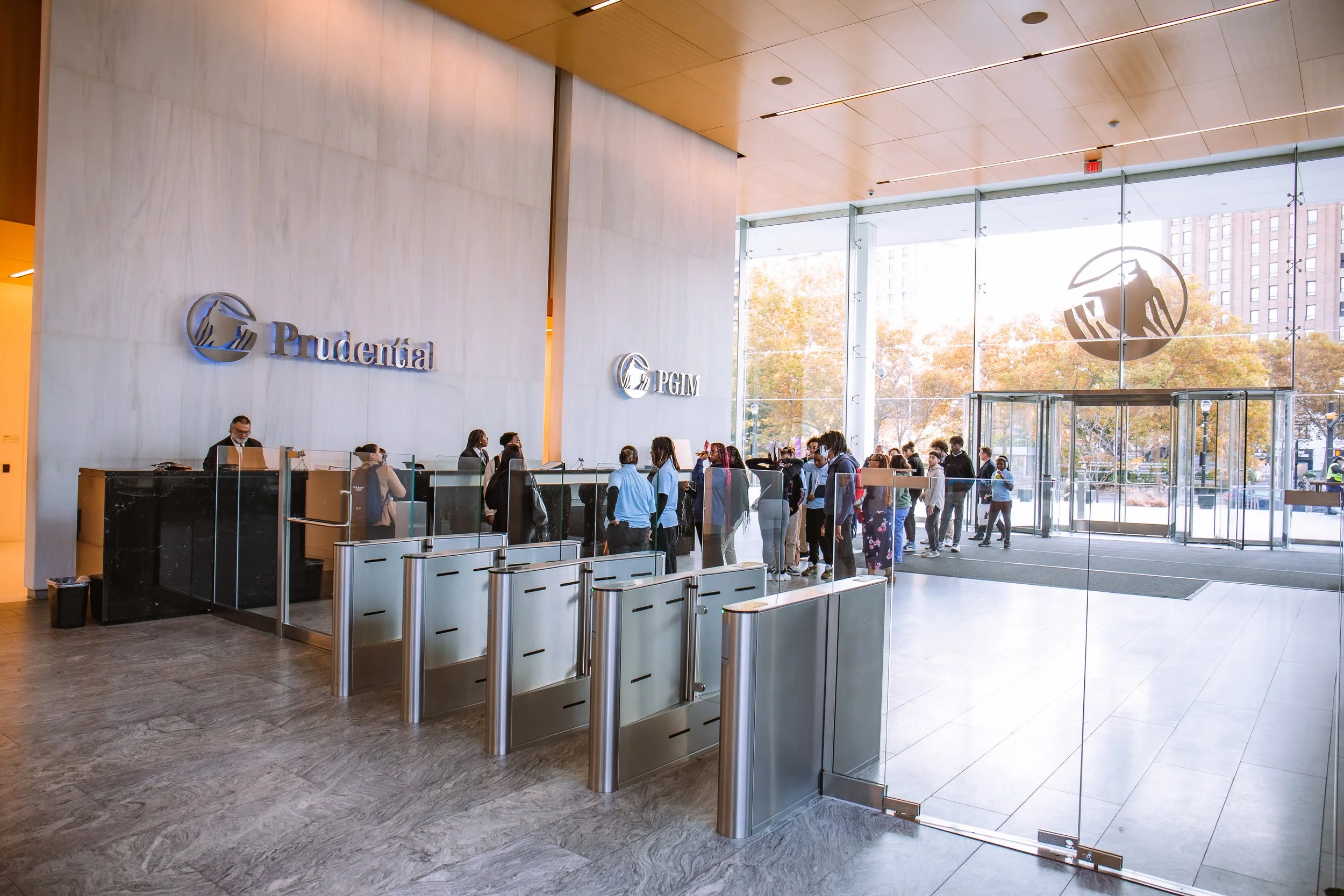
“One of the things we really enjoy is not just having PGIM come to our building, but having our young people go out of their comfort zone and go to their building to see the environment and the culture,” Hamed says.
What It Became
Hamed, who has helped lead the program for nine years, worked with a growing group of PGIM ambassadors to expand the program from a handful of events to a full engagement series that now averages ten to twelve sessions per school year. The through-line remains the same: give students exposure to the professional world before they graduate, so nothing feels foreign when they get there.
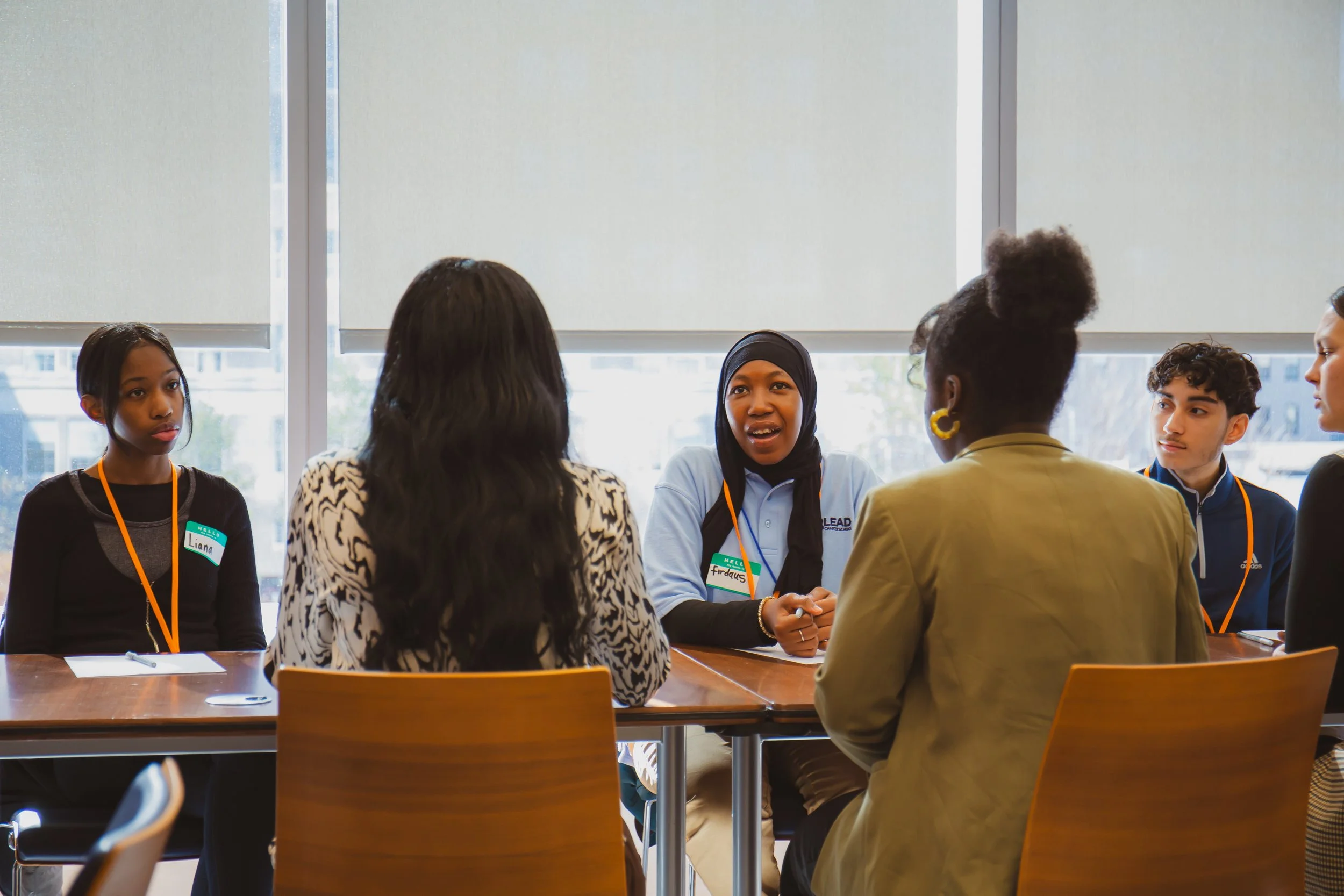
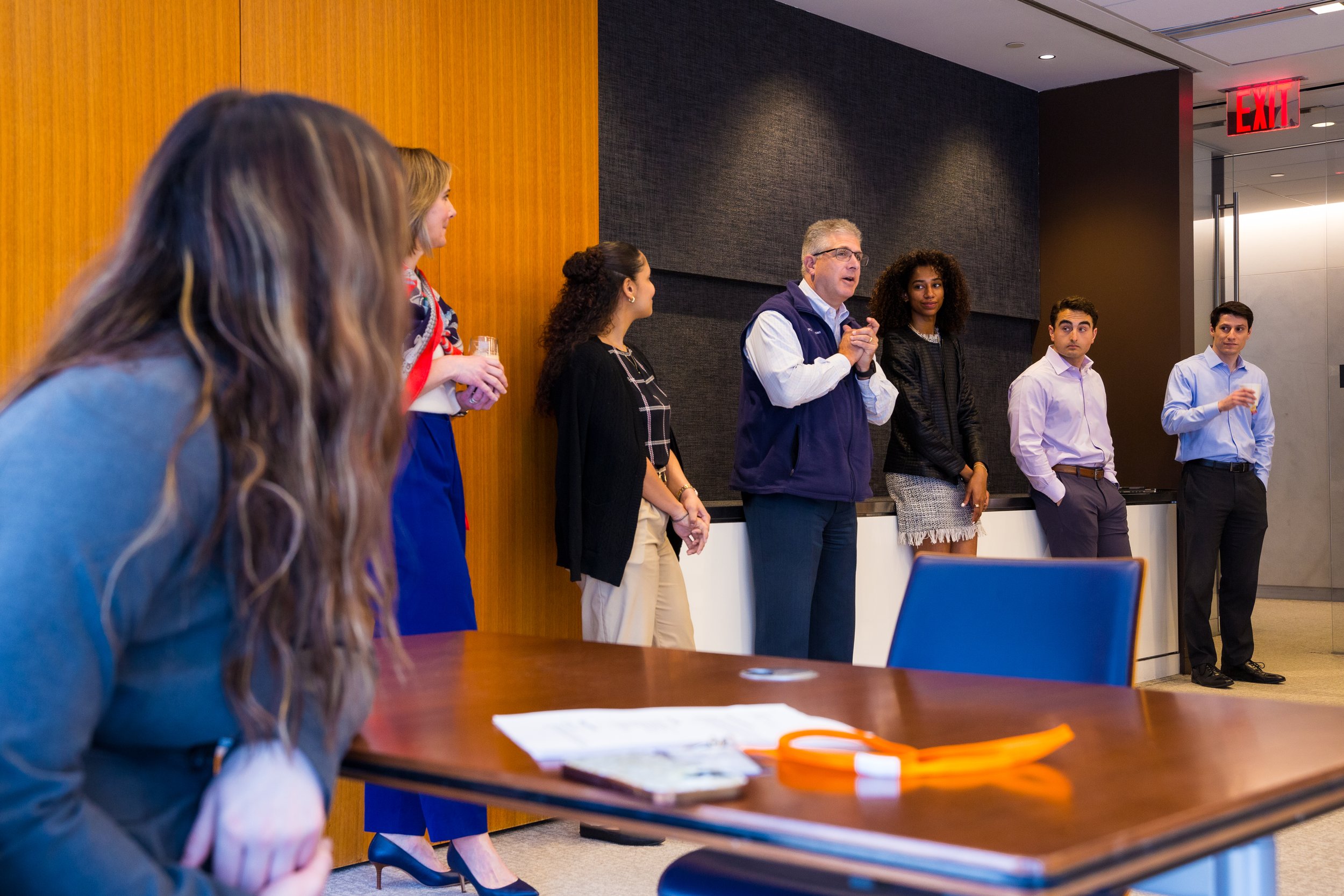
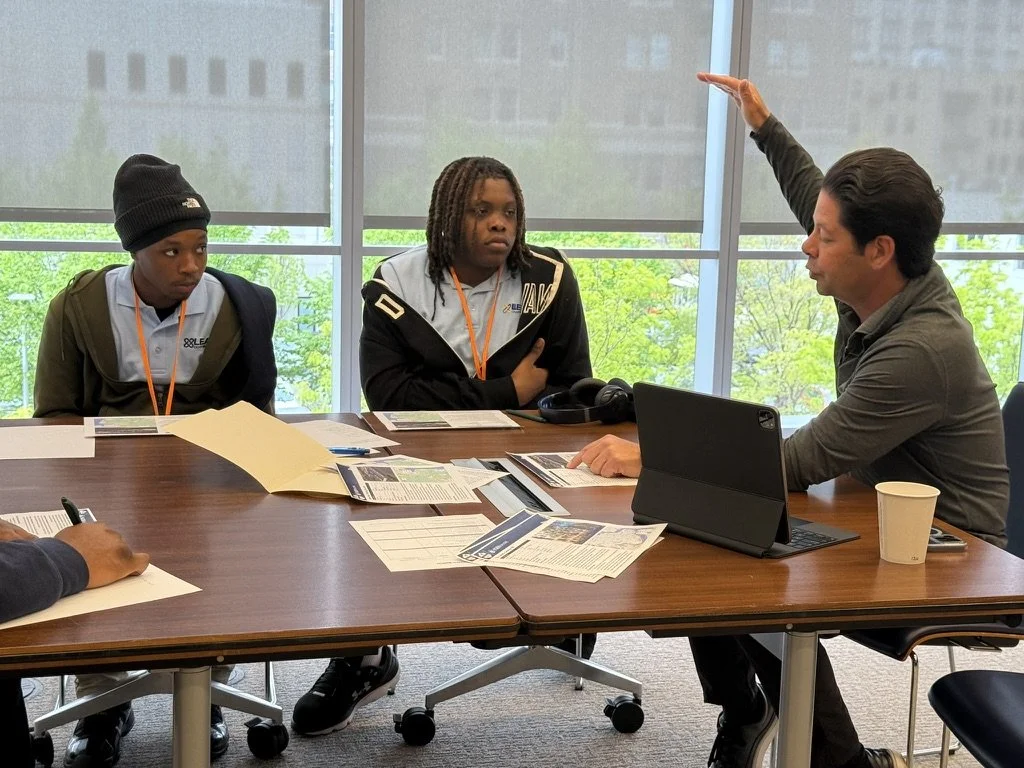
The series now includes a Business Communication workshop covering elevator pitches, effective communication, and email writing. Other programming includes mock job interviews with PGIM volunteer judges and a case study competition where students analyze real investment properties and present their recommendations to PGIM employees. Students also take part in a LinkedIn profile workshop and a financial literacy session. A select group is paired with PGIM mentors through a coaching program, offering ongoing support that follows them into their postsecondary lives.
Threaded through all of it is a Youth Empowerment series developed by Dr. Alex Ellis, an author, speaker, and entrepreneur who designed curriculum specifically for this program. Dr. Ellis leads three sessions: Image is Power, which covers professional presence and self-presentation; Public Speaking, which culminates in students delivering original speeches to PGIM volunteer judges; and an Etiquette Luncheon, which closes out the year with a formal dining experience where students apply everything they’ve learned.
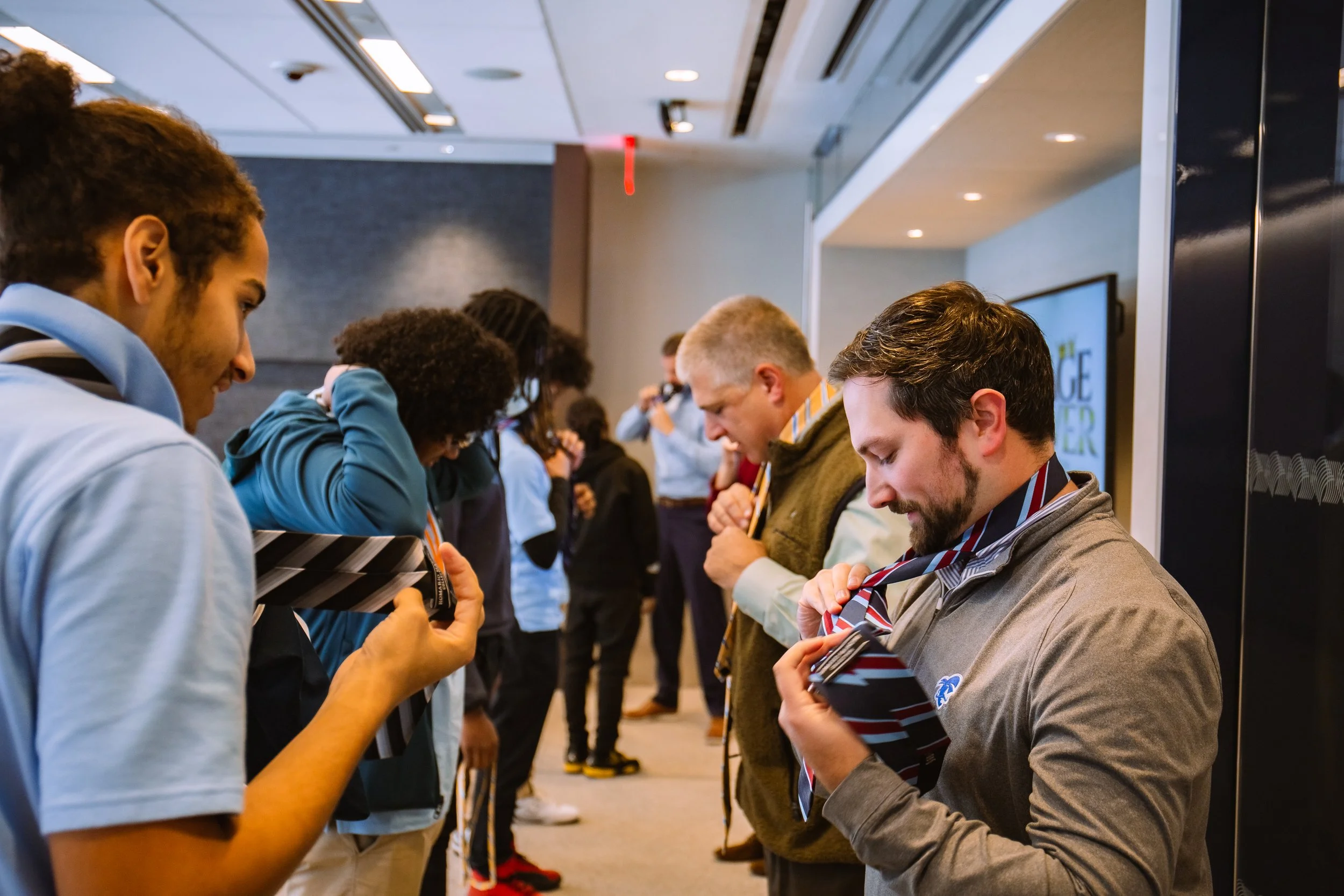
The Image is Power session ends with a pearl-and-tie ceremony. And it evolved: PGIM volunteers now serve as personal shoppers in YBN’s Graduate Success Closet, helping students select professional clothing while putting the session’s lessons directly into practice.
“This coaching model reflects what we believe about our young people,” says Jasmine Joseph-Forman, Chief Program Officer. “Success doesn’t end at graduation. It’s about equipping them to evolve, adapt, and take their postsecondary placement even further.”
More than 200 students have participated in at least 90 percent of the engagement series throughout the partnership. The roster now reaches up to 30 students per cohort, with priority given to young people close to completing the YouthBuild program as they prepare to enter the workforce or continue their education.
Beyond the Classroom
The partnership extends well past student programming. In 2023, three PGIM Real Estate employees spent roughly half their time over nine weeks working directly with YouthBuild, assessing its real estate portfolio and developing a mission-aligned investment strategy. Their work included evaluating current properties, proposing a YouthBuild community campus, modeling financing scenarios, and presenting recommendations to the YouthBuild Board of Directors.
In 2024, a third annual secondment continued that work. PGIM secondees partnered with YouthBuild and Ellavoz Impact Capital to help secure financing for the renovation of LEAD Charter School itself, the same building where students attend the programming described above.
“I’ve seen this partnership grow from a set of important volunteer activities into a much broader, more structured relationship that includes employee ambassadors, coaching, secondments, real estate advisory work, student programming, and senior leadership engagement,” says Reigle.
Moments That Stay
The case study competition is one of the most talked-about events in the series. Students are given specifications for real investment properties and asked to evaluate whether the investment makes sense, then present their analysis to a room of PGIM employees who ask questions and give feedback.
The public speaking event produces some of the most memorable moments. Students spend a week or two preparing a speech, then deliver it to PGIM judges. Some arrive nervous and leave transformed. Some arrive ready and surprise themselves. Some arrive reluctantly.
“We made sure that we were very intentional about what we wanted this to look like. PGIM was infused in that because they come in with their experience about how to carry yourself in a workplace,” says Hamed.
That is the point of the whole series: not to prepare students for a single event, but to give them repeated exposure to professional environments until those environments no longer feel foreign. Students who come in uncertain leave with a sense of what they are capable of and the confidence to navigate unfamiliar spaces.
“What stays with employees are the individual student stories, the relationships they build, and the realization that their expertise can help create opportunity,” Reigle says. “They know they are not simply volunteering. They are contributing to something that has a visible and lasting impact on young people’s lives.”

Built to Last
More than twenty years into the program, it continues to grow. The ambassador program started with two PGIM employees. It now includes six, rotating every few years, with new ambassadors stepping into relationships built and maintained over time. That continuity is part of what makes the partnership work. A PGIM internship program is also currently in development, extending the partnership beyond the school year into formal employment for graduating students.
“Doing this work locally creates opportunities for employees and students to engage directly with one another and build meaningful relationships,” Reigle says. “The proximity allows for consistent programming, deeper engagement, and opportunities to connect classroom learning with real-world experiences.”
What is already in place is a foundation that has continued through organizational changes. It has done that by staying rooted in the intention to give young people real exposure to the professional world. As the internship program takes shape and new ambassadors join, the work continues the way it started, one student, one event, one small moment of confidence at a time.